
Ramadan is around the corner. The rule number one is to avoid overeating and spare yourself of health issues. With smart eating strategy, not only that you avoid consequences of overeating and bad choice of groceries, but you can get the most of advantages of Ramadan fasting.
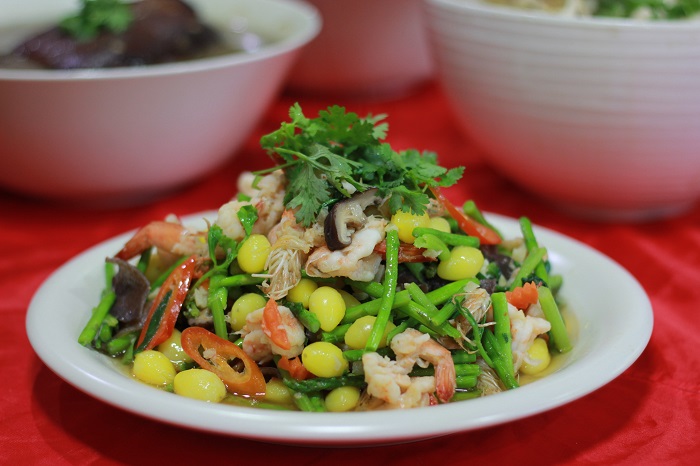
Here are some of the best advantages of Ramadan fasting:
- improve your health status
- decrease body fat in general, especially visceral (dangerous) body fat
- fasting improve your glands function
- fasting can reduce insulin resistance, lowering your risk of type 2 diabetes
- fasting can reduce oxidative stress and inflammation in the body
- fasting make your heart health
- fasting may help prevent cancer
- fasting will improve your cognitive (brain) abilities
- fasting may improve your life quality and help you live longer

If you want to take the most of these benefits you just need to follow few simple rules:
- when you break the fast avoid carbohydrate for iftar. First meal may contain proteins(chicken, turkey, salmon, mackerel, sea bass, cod, tuna, lean beef cuts, lean lamb cuts, eggs), healthy fats(almonds, walnuts, cashews, hazelnuts, pumpkin seed, chia seeds, olives, extra virgin olive oil) and fibrous carbohydrate(kale, asparagus, broccoli, artichoke, okra, cabbage, celery, iceberg, cucumber). This mix will make you full and keep sugar levels stable and your body will continue to use body fat for metabolic function.
- meal may contain carbohydrate, but slow digesting in combination with lean protein and fibrous carbohydrate but this time without fat. Or for someone who have only iftar and suhoor may skip this meal in between and eat some fruits. Berries is the most healthy option(raspberry, blueberry, aronia, goji berries, acai, blackberry). Also, for this meal, you have option to continue with lean protein, essential fats and fibrous carbohydrate. This last mix is for maximal fat loss but is not recommended for population with diabetes and pre-diabetes.
- for suhoor, before the fast begin over again, meal may contain slow digesting carbohydrate(brown rice, quinoa, black and red kidney beans, lentils, sweet potato, yams, rye, 100% whole oats, 100% Whole wheat bread) or essential fats, depending of your goal, but for sure have to contain lean proteins. Why proteins in every meal? Because proteins are slow digesting nutrient and will keep you full for a long, especially when you mix it with fibrous carbohydrates.
- keep your body well hydrated. Fluids intake have to be between 4l and 5l.

In the following article will be words about consequences of overeating, which happen really often during Ramadan fasting. Be aware of this because it have not only short but also long term consequences.